How Illinois Renters Can Use Personal Loans to Build Credit History
KM
Katy McWhirter
Finance & Loans Editor · Updated October 2026

Katy McWhirter
Finance & Loans Editor · Updated October 2026
Imagine you are looking for a new apartment in Naperville or perhaps a high-rise in downtown Chicago. You have a stable job and a flawless record of paying your rent on time, yet when the landlord runs your credit report, they see a 'thin file'—a lack of significant credit history. This is a frustrating reality for many Illinois residents. In 2026, even with more modern reporting tools, renting does not automatically translate into a high FICO score unless you take specific steps to ensure your payments are being tracked by the major bureaus.
For many, the goal is simple: build enough credit history to qualify for better housing terms or perhaps an auto loan. One method some explore is using a small personal loan as a tool to diversify their 'credit mix.' By taking out a modest installment loan and paying it back consistently, you may be able to demonstrate responsible debt management to lenders.
However, this strategy is not without its nuances. In 2026, the financial landscape requires careful navigation. You might see APRs ranging from 8% for those with excellent credit to over 36% for those with lower scores. Typical loan amounts used for these purposes often fall between $500 and $5,000, depending on the lender's requirements. It is essential to understand that a personal loan is not a magic wand; it is a financial tool that requires disciplined execution to be effective. This article will help you weigh the costs, understand the mechanics of credit scoring, and decide if this path aligns with your long-term financial goals in Illinois.
If you live in a large complex in Chicago or even a single-family home in Springfield, your monthly rent is likely your largest expense. You pay it every month without fail, yet that reliability often fails to show up on your Experian or Equifax report. This is because most standard rental agreements do not automatically report to the major credit bureaus.
While some specialized services allow you to pay for 'rent reporting'—which can help bridge this gap—these are often additional monthly costs. For those who cannot access these services, an installment loan offers a different way to introduce data into their credit profile. Unlike revolving credit (like a credit card), which shows how much of your limit you use, an installment loan shows how you handle fixed, recurring payments over several months or years.
The Consumer Financial Protection Bureau (CFPB) has frequently highlighted the importance of understanding how different types of debt affect your score. By adding an 'installment' component to your credit profile, you are technically improving your 'credit mix,' which can account for up to 10% of your FICO score. This is a subtle but important factor in building a robust financial identity.
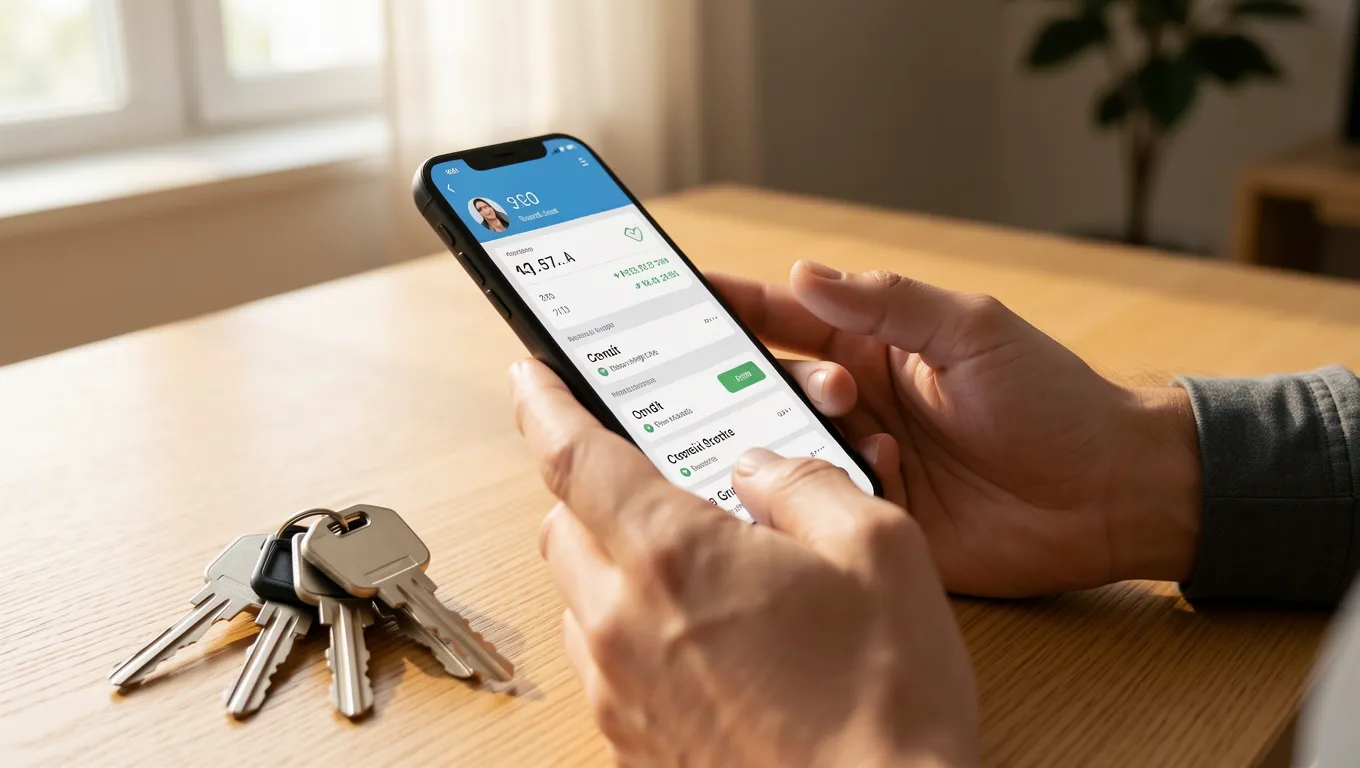
To understand why this works, you have to look at the architecture of your credit score. Lenders like to see that you can handle different types of debt: revolving debt (credit cards) and installment debt (loans). If you only have a credit card, your profile might look one-dimensional.
A personal loan is an installment product. You borrow a lump sum and pay it back in equal increments. For example, if you were to take out a small $1,500 loan at 14% APR over 24 months, your monthly payment would be approximately $73. As you make these payments on time, the lender reports this activity to the credit bureaus, showing that you can manage a structured repayment plan.
Many Illinois renters find themselves choosing between two main paths: using a personal loan or using a 'secured' credit card. Both can build credit, but they function very differently.
A secured credit card requires you to provide a deposit (for example, $300) which serves as your credit limit. This is often the safest route for those with no credit at all. However, it only builds 'revolving' credit history. A personal loan, on the other hand, provides that much-needed 'installment' component. The trade-off is that a personal loan involves actual debt that you must pay back, whereas a secured card is often just a way to use your own money as collateral.
For a renter in 2026 looking for a more substantial boost to their credit mix, the installment loan may be more effective. However, if your primary goal is simply having any kind of credit history to show landlords, the secured card might be the lower-risk option. The decision often depends on whether you need to build 'revolving' capacity or 'installment' variety.
Before taking out any loan, you must run the numbers. You cannot treat a credit-building loan as 'free money.' Every dollar borrowed is a dollar that must be returned with interest. Let's look at two common scenarios for Illinois borrowers:
Scenario A: The Small Boost. Suppose you take a $2,500 loan at 18% APR over 24 months. Your monthly payment would be roughly $124. Over the life of the loan, you will have paid back more than the original amount due to interest.
Scenario B: The Larger Installment. Suppose you take a $5,000 loan at 12% APR over 36 months. Your monthly payment would be approximately $166. This provides a longer history of reporting, which can be beneficial for the 'length of credit history' component of your score.
It is essential to ensure these monthly payments fit comfortably within your existing rent and utility budget. If you are already struggling with high rent in an area like Evanston or Peoria, adding a new monthly obligation could lead to a cycle of debt.
If you have decided that an installment loan is the right move for your specific situation, do not simply apply at random. Follow this framework to maximize your chances of success:
1. The Budget Audit: Before applying, look at your last three months of bank statements. Can you afford an extra $50 to $150 every month without fail? If the answer is no, do not proceed.
2. The Rate Check: Shop around. In 2026, many digital lenders and local Illinois credit unions offer different rates based on your specific profile. Even a 2% difference in APR can save you hundreds of dollars over the life of the loan.
3. The Automation Setup: Once you are approved and have closed on your loan, set up autopay immediately. The single biggest pitfall is forgetting a payment due to a bank holiday or a missed email notification.
By following this structured approach, you move from 'borrowing money' to 'strategically managing credit.' This mindset shift is what differentiates successful builders from those who end up in deeper debt.
The most important thing to remember is that a personal loan is still real debt. There is an edge case where borrowers take out loans they cannot afford, thinking the credit score boost will somehow solve their financial problems. This is a dangerous misconception.
A higher credit score might help you get a lower interest rate on a future mortgage or car loan, but it won't pay your current rent if you are overextended. Never use a personal loan to cover essential living expenses like rent or food. This is not 'building credit'; this is high-interest borrowing that can lead to default.
Additionally, be aware of the impact of 'hard inquiries.' Every time you apply for a loan in 2026, your score may take a small, temporary dip. If you are planning to apply for an apartment lease very soon, you might want to wait until after your application is processed to avoid any confusion regarding your credit report.